Amelia’s Friends: Exclusion Defied
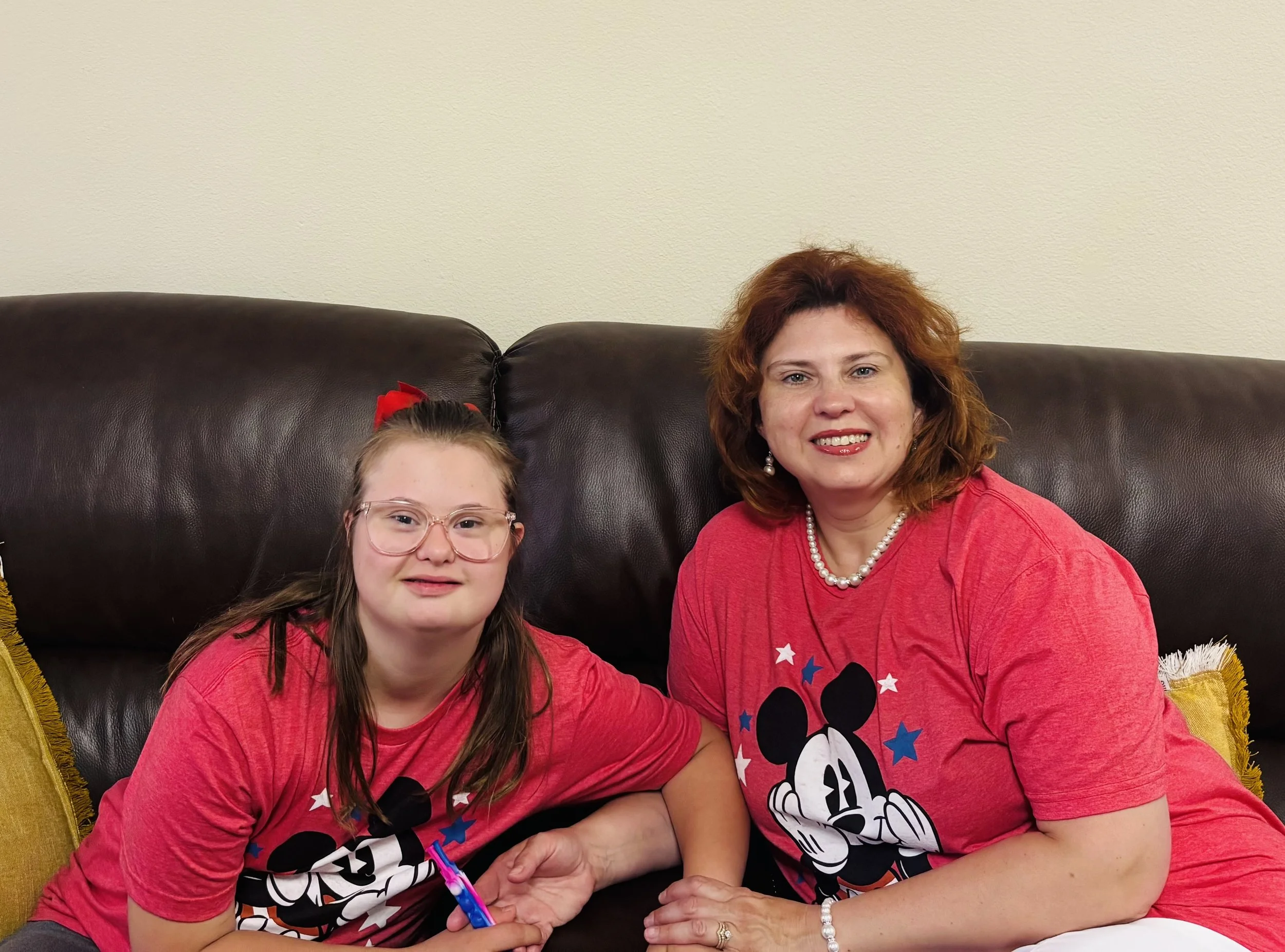
By Mindy Ragan Wood/EditorA Belarusian immigrant in Tulsa started a nonprofit organization for her daughter, Amelia, to challenge the social exclusion that comes with Down syndrome.
Katerina Alder started Amelia’s Friends Foundation in January 2025 to facilitate friendships for her daughter, who was often excluded by her neurotypical peers.
“Seeing Amelia make these connections has been extremely heartwarming,” Alder said during an interview with Oklahoma Divergent. “She has always been very social and loves being around people of all ages.”
Alder is no stranger to challenging social customs. When Amelia was born in Tulsa in 2011, she chose not to institutionalize her.
Alder explained that such children under Soviet Union rule were turned over to the state without a second thought—hidden from society. She and her husband had no idea how to care for a child with Down syndrome simply because they had not encountered children with disabilities. Alder accepted the challenge at the cost of her marriage, she said.
Faced with life as a single mother with very little money and no family nearby, mother and daughter faced each battle life would bring them, she said.
Those challenges changed as Amelia reached adolescence. Friendships that had once come easily now eluded her in middle school.
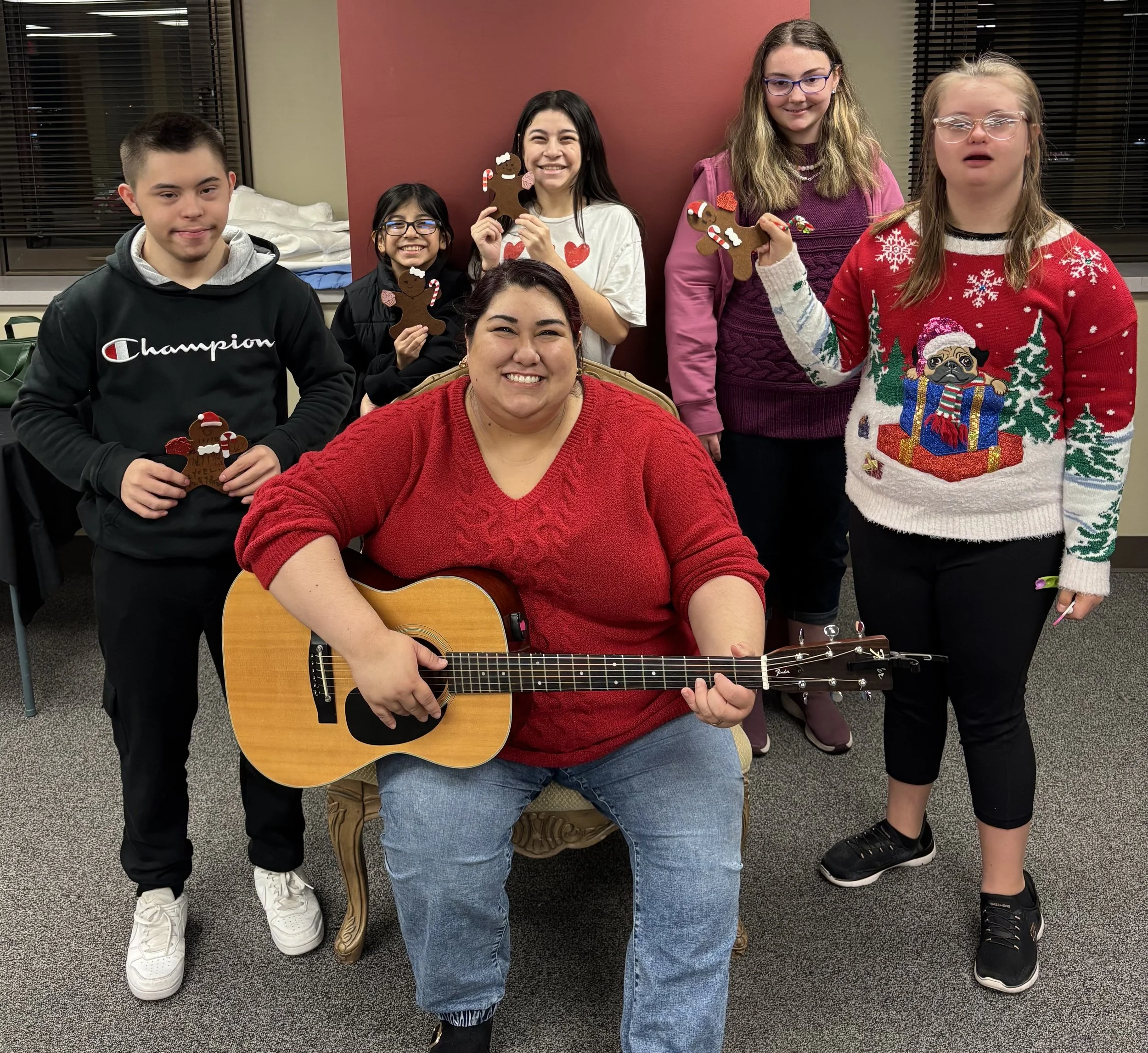
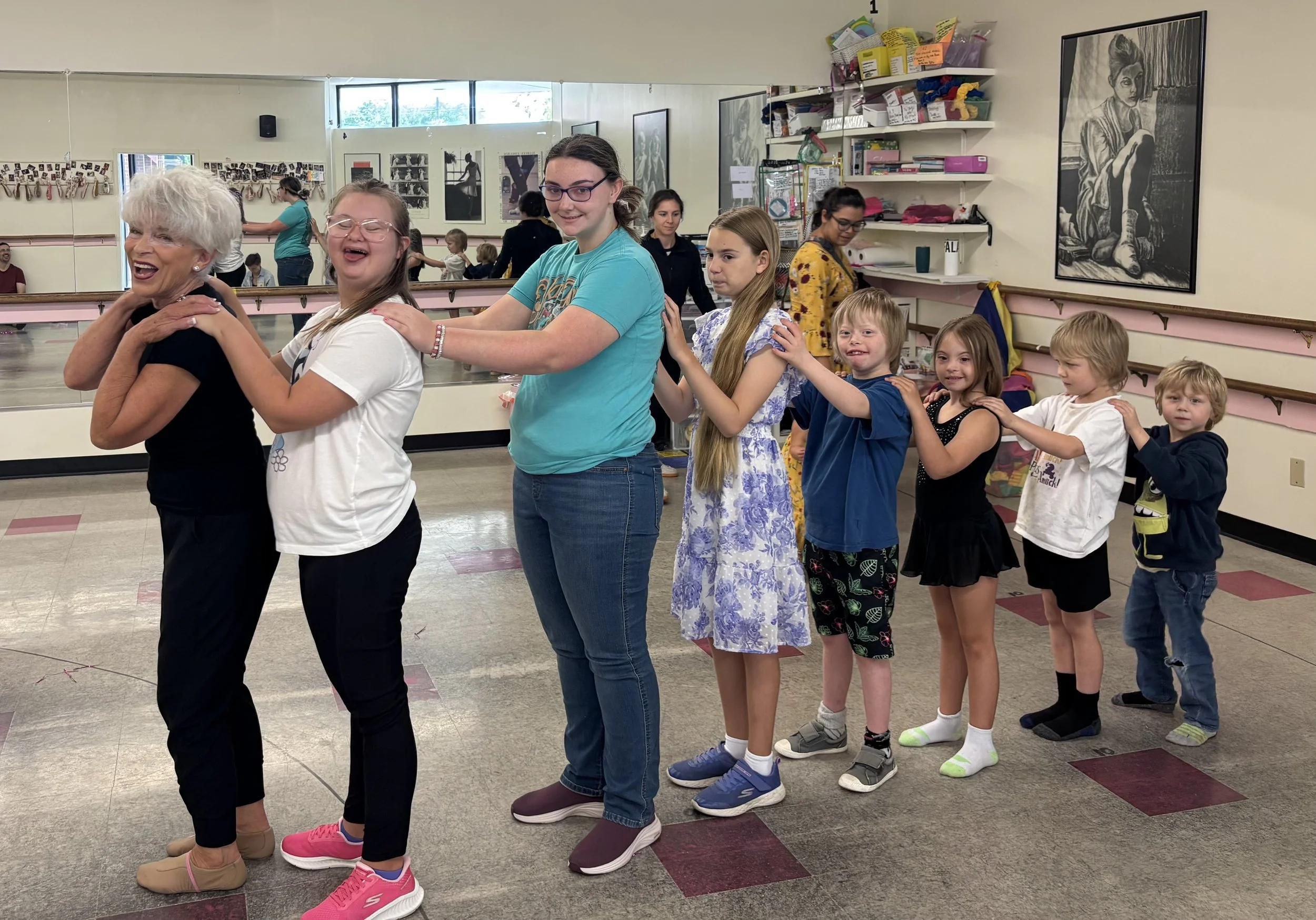
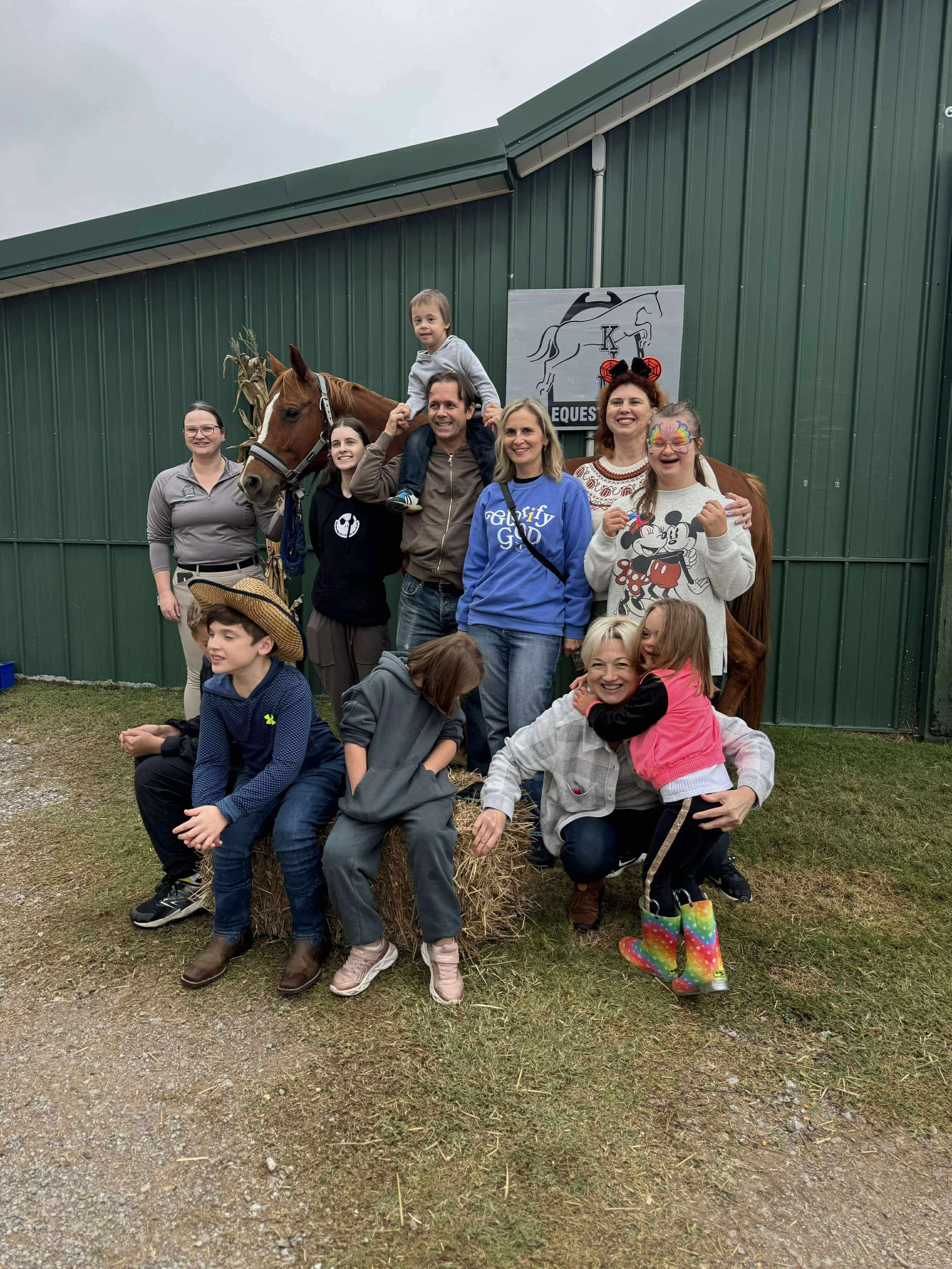
Since the foundation launched, it has facilitated 17 family events for children, parents and siblings. Each event is designed to not only to build social connections but also confidence through being seen, supported and celebrated, she said.
Families gather for respite events, training and education, and mutual support. Some events are held for Russian language speakers and others a general audience, but all are welcome at both.
When an American family began attending both Russian and English language events, Alder said she witnessed the way inclusion can cross any cultural barrier.
“Despite the language difference, they felt welcomed and formed genuine connections,” she said. “It was a beautiful reminder that friendship and inclusion go beyond language—these gatherings create a space where families find belonging, support, and joy, often in ways we don’t anticipate.”
As families gathered, it soon became obvious to Alder that there was an information gap on resources to support them. After she realized some parents had never heard of the state’s developmental disabilities services program, she offered a training on how to sign up. As funding allows, she plans to offer workshops on self-advocacy, transitional services post graduation, social skills development, school support and caregiver support, she said.
Central to the mission though, is the joy of friendship for Amelia and everyone who gathers. The results have been priceless, Alder said.
“What matters most to her is being with other kids—meeting new friends, reconnecting with familiar faces, and spending time in welcoming, inclusive spaces,” Alder said. “Through these experiences, she is learning to speak up for herself, build confidence, and feel a true sense of belonging.”
This year the foundation will launch its Peer Ambassador Program to train neurotypical teens to co-lead events with peers who have disabilities. The goal is to foster leadership and mutual understanding and inclusion along side the foundation’s members.
Visit Amelia’s Friends Foundation for upcoming events.
