Policy on the Move: The right to decide
By Mindy Ragan Wood/EditorA state lawmaker has proposed a bill to broaden supported decision-making services for people with disabilities.
State Rep. Ellyn Hefner, D-Oklahoma City, introduced House Bill 3906, which would establish supported decision-making agreements and define the role of a “supporter” who assists an adult with disabilities.
Hefner said the bill is a push toward greater independence for people who are often forced to choose legal guardianship even when it is too restrictive.
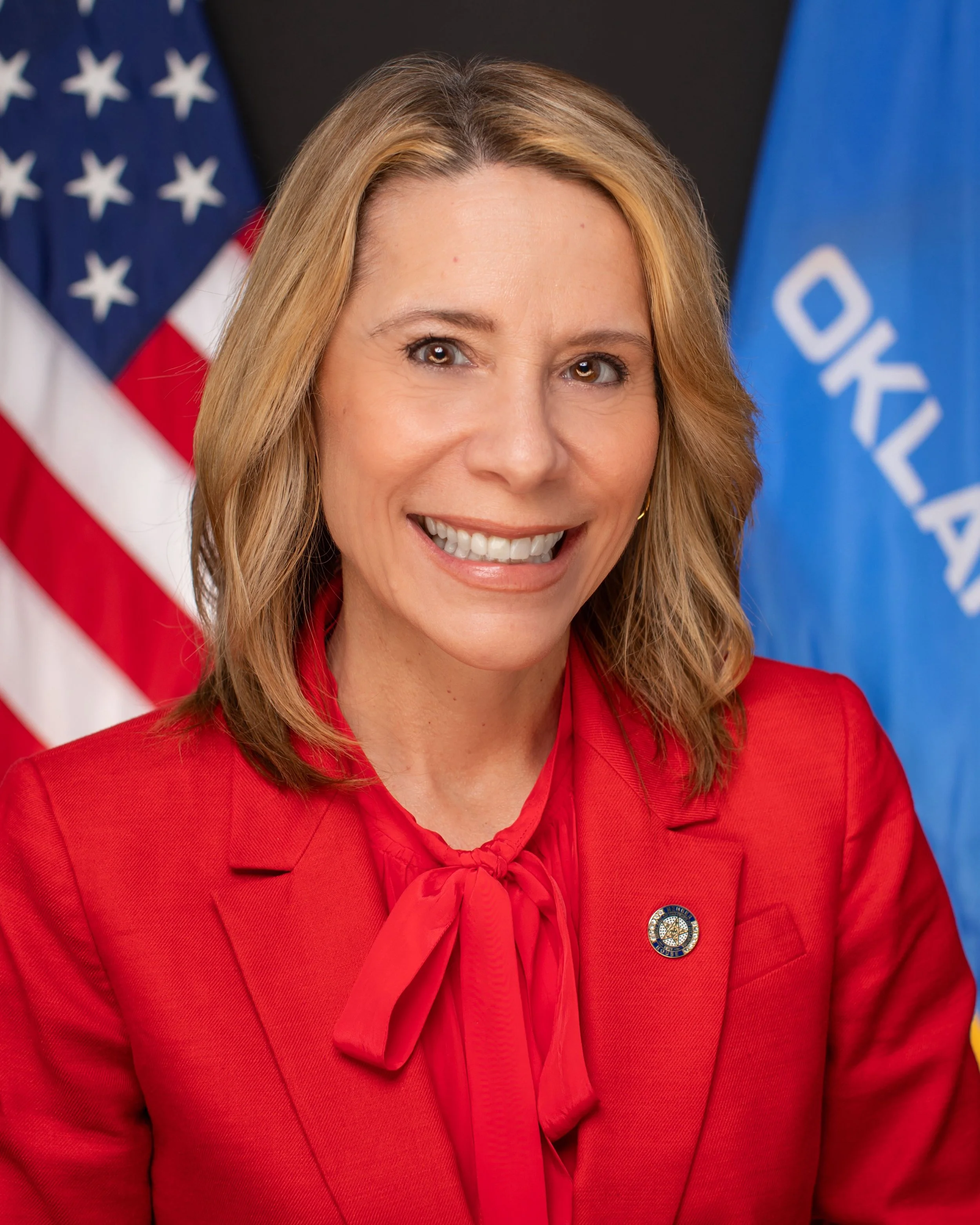
State Rep. Ellyn Hefner (photo provided)
“This is something in law that says it’s legal to have supported decisions,” Hefner told Oklahoma Divergent. “This is something that could also be used for vulnerable adults who are older as well.”
Supported decision-making, or SDM, allows people with intellectual disabilities to choose a support person to help with decisions about health care, finances, relationships or living arrangements, according to the Center for Public Representation, a legal advocacy group for people with disabilities.
While Oklahoma law references technology aids and supported decision-making as an alternative to guardianship in limited sections of Title 30 and Title 63, the Oklahoma Supported Decision-Making Act would expand and define the role with specific functions.
Hefner’s bill would require the adult and the support person(s) to enter into a written agreement. The document would specify the types of decisions for which the adult needs assistance and those for which assistance is not needed. Either the adult or the support person could terminate the agreement at any time, verbally or in writing, according to the bill.
A support person could assist only in decision-making and would be prohibited from making decisions on the adult’s behalf, reflecting the least restrictive and most effective form of support, the bill states.
The bill also says a support person may not gather information that is not “reasonably related” to matters outlined in the agreement without the adult’s consent. Supporters would be prohibited from exerting “undue influence” over the adult.
The rights of adults receiving supported decision-making services are also outlined in the bill.
“An adult should be able to be informed about, and to the best of his or her ability, participate in the management of his or her affairs,” the bill states.
An adult should be able to live “in the manner in which he or she wishes” and retain the right to refuse support, assistance or protection, provided the adult does not cause harm to themselves or others, the bill says.
Adults would also retain the right to privacy.
“A supporter shall ensure that all information collected on behalf of a principal is kept privileged and confidential, not subject to unauthorized access, use or disclosure, and properly disposed of when appropriate,” the bill states.
The bill specifies that an adult is not required to accept a supporter’s advice and that a supported decision-making agreement may not be used as evidence of incapacity.
At least 23 states have adopted similar, comprehensive legislation to authorize and define SDM agreements and responsibilities.
Read the complete bill here and watch for updates at Oklahoma Divergent.
