Privacy vs Protection: Disability indicator on drivers license?
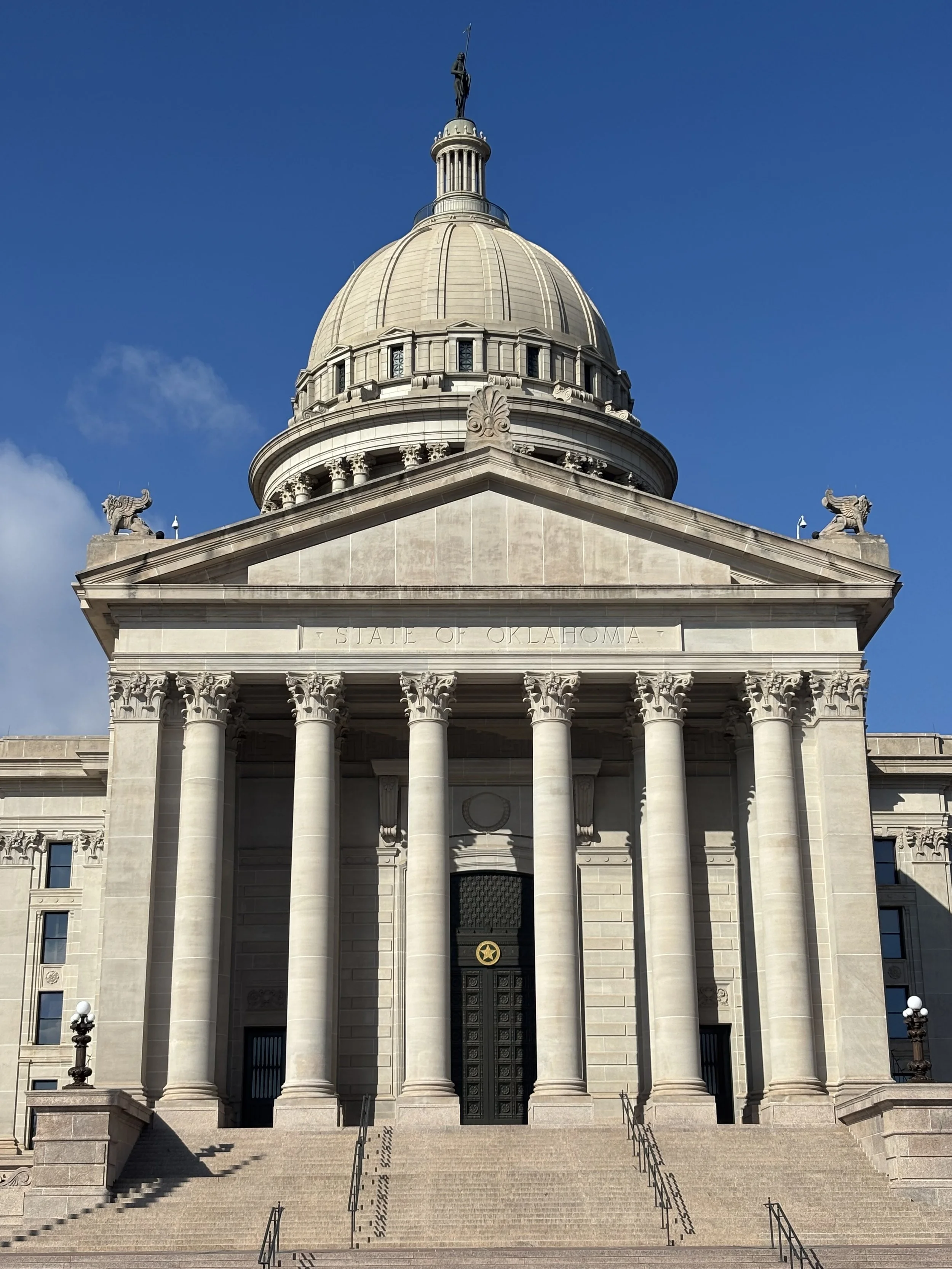
Pictured is the Oklahoma Legislature.
By Mindy Ragan Wood/Editor CommentaryThere’s a new bill that would give drivers with a disability the option to include that status as a feature on their drivers license or state ID.
House Bill 2977 is making its way through the state Legislature. It bears a resemblance to a similar bill the Governor signed into law in 2024, a voluntary indicator of autism on a drivers license or state ID. This new bill seems to broaden the indicator to include other disabilities or conditions.
It includes a variety of diagnoses including autism, deaf or hard-of-hearing, speech limitations, neurological or cognitive differences, and conditions that affect mobility.
Clearly this bill attempts to address the risks people with disabilities encounter with law enforcement, often deadly.
Disability-driven behavior leads to violence because silence appears as defiance. A person frozen by anxiety appears as disobeying a lawful command. There are many more scenarios where behavior is misunderstood as noncompliance or a threat to an officer or the public.
We know that between a third to HALF of people killed by police have a disability. Autism diagnoses have quadrupled in the last two decades, but police training continues to lag far behind that trend, according to a PBS News Hour report last year.
Fatal consequences can never be overturned.
The good news is that you, or someone who helps you with your decisions, can decide if the indicator is right for you.
Some things I like about this bill, in addition to being optional, is that you can have the logo removed at any time. It also does not disclose or indicate a specific diagnosis. As written currently, a driver would simply provide a statement that they have a disability, rather than providing medical records.
Something to consider with regard to privacy:
The bill clearly states that the indicator on ID will be some sort of logo — which would be visible.
The language “hidden disability” bandied about in this bill should not be confused with a displayed logo.
While the mark will not indicate a specific disability and will be “discreet,” it will almost certainly become common knowledge what the logo means over time to those outside law enforcement.
Why might this be important? Let’s say you’re a person with a hidden disability —like autism level one. You’re looking for job and will need to present your state ID or drivers license to apply for that job. Maybe you hope to obtain a promotion. Would your employer treat you differently if they knew you have a disability?
Perhaps the hiring manager would not ever see your license or state ID. Who knows?
Unless you’re certain your employer won’t discriminate against you —that’s a risk you’re taking.
Sadly, the reality is that discrimination can happen in ways that cannot be captured and litigated in lawsuits. I suspect finding another excuse not to hire or promote someone is far more common than spouting openly discriminatory comments about a person’s disability.
The bill will next be heard in a public safety committee, where I hope we learn more about the visibility and design of this logo.
All things considered, if you are at risk of a violent encounter with police, a disability indicator could reduce that risk.
If you’re a vulnerable adult, please also consider self advocacy with tools you need to better ensure a safe outcome with police.
In addition to police interaction training, drivers can also download a fact sheet, called an IDD safety card, to present an officer during a traffic stop or at their home.
Retired Oklahoma police officer, Stanley Campbell offers a series of videos for drivers with disabilities on safety with law enforcement and other first responders.
Stay safe, everyone and stay tuned for updates on this bill at Oklahoma Divergent.
